
Devotion
Step Right
We can’t get the most from our walk with the Lord if we run ahead of Him or lag behind Him.
May 2, 2026




When Jesus said, “And if you do not carry your own cross and follow me, you cannot be my disciple” (Luke 14:27), the meaning would have been readily understood by the people of the first century. However, its meaning is largely lost in the 21st century. When people think of the cross today, they may think of church, Christianity, or Jesus Christ. But back in the first century, a cross would have meant the cruel method of torture and execution.
The early church did not use the symbol of the cross, because the cross was a despicable representation. A form of execution that originated with the Persians and was later adopted by the Romans, crucifixion was designed to humiliate a person and bring a slow, excruciating death. The cross also served as a warning to anyone who saw it that they had better not mess with Rome. The sight of a man surrounded by Roman guards and carrying a cross through the streets meant that he was about to die a long, painful death.
So when Jesus spoke of discipleship as carrying your own cross and following Him, His hearers would have immediately caught on: Oh, I get what you are saying. You mean like that guy who is carrying his cross and is going to die on it? You want us to die to ourselves—is that what you are saying?
But today the cross has lost its meaning. For many, it is little more than a fashion accessory. Like the woman in the jewelry story who asked to see the crosses “without this little man on them,” many people today are looking for a cross without Jesus, one that requires nothing from them. But if we are to be followers of Jesus, then we must take up the cross.


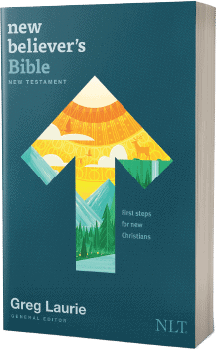
To help you get started, we would love to send you a free Bible and other resources to help you grow in your faith.
Get Resources
Relationships can be one of life’s greatest blessings. They can also be one of life’s greatest challenges. In his new book Am I Doing This Right?, Pastor Greg Laurie explores what the Bible says about singleness, dating, marriage, friendships, family, and even how we relate to people who don’t share our faith. Drawing from Scripture and personal experience, Greg offers practical guidance for building relationships that honor God and stand the test of time.
Request your copy this month with your gift to Harvest Ministries.
Make Your Gift


Relationships can be one of life’s greatest blessings. They can also be one of life’s greatest challenges. In his new book Am I Doing This Right?, Pastor Greg Laurie explores what the Bible says about singleness, dating, marriage, friendships, family, and even how we relate to people who don’t share our faith. Drawing from Scripture and personal experience, Greg offers practical guidance for building relationships that honor God and stand the test of time.
Request your copy this month with your gift to Harvest Ministries.